This guide is educational and evidence-aware. It summarizes practical brain-health ideas in original wording, avoids medical-treatment claims, and highlights when professional evaluation is more appropriate than self-experimenting.
Encoding begins with attention
Encoding is the process of turning experience into information the brain can work with. Attention acts like the gatekeeper. If you are multitasking, exhausted, or emotionally overloaded, fewer details receive the focus needed for later recall.
Simple changes help encoding: remove distractions, say the key point aloud, connect it to something you already know, and write it in your own words. These steps do not diagnose memory problems; they make ordinary learning more deliberate.
Working and short-term memory are limited
Working memory holds a small amount of information while you use it, such as a phone number, a mental calculation, or the next sentence you plan to say. It is useful but fragile.
Because working memory is limited, external systems matter. Notes, calendars, checklists, and visual cues free attention for thinking instead of forcing you to mentally juggle every detail.
Consolidation links new information with existing knowledge
Consolidation is the process by which memories become more stable over time. Sleep, repetition, emotional relevance, and meaning can influence what is strengthened and what fades.
Researchers continue to study how REM and non-REM sleep contribute to learning. The practical point is responsible: regular, good-quality sleep gives the brain better conditions for memory than chronic sleep restriction.
Storage is distributed, not like a file drawer
Long-term memories are not stored as perfect recordings in one mental cabinet. Different features of an experience can involve different brain networks, including sensory details, meaning, emotion, and action patterns.
This is why a smell, place, phrase, or song can bring back a memory. It is also why recall can change with context and why confidence does not always equal accuracy.
Retrieval is reconstruction
Retrieval means bringing information back to mind. It is active and reconstructive, so cues matter. A name may be hard to recall in one setting and easy in another when the right association appears.
Practice retrieval by testing yourself, explaining ideas without looking, and spacing reviews. These techniques are useful for students, professionals, and anyone learning new routines.
Memory has several forms
Episodic memory helps you remember events. Semantic memory stores facts and meanings. Procedural memory supports skills such as typing, cooking steps, or playing an instrument. Short-term, working, and long-term memory describe different time frames and uses.
Forgetting can occur because information was never encoded well, was not consolidated, competes with similar information, or lacks a useful retrieval cue. Occasional forgetting is common; persistent or worsening changes deserve professional evaluation.
Keep expectations realistic
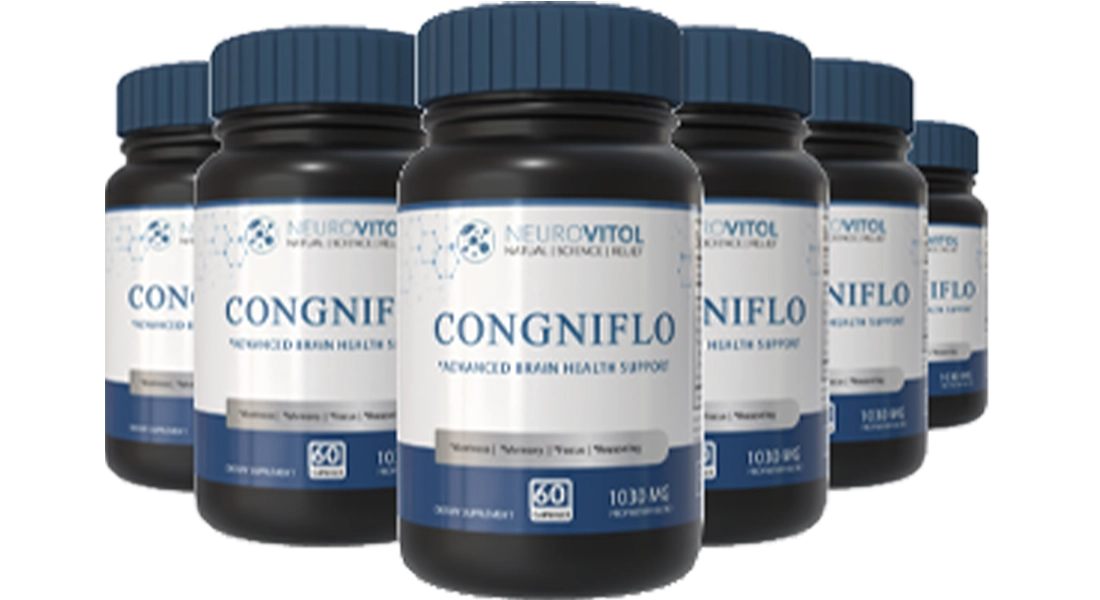
A brain-support routine can include sleep, practice, movement, nutrition, and tools that reduce cognitive load. Adults exploring a supplement can learn about Congniflo while remembering that supplements are not treatments for neurological disease.
Understanding memory should make you more strategic, not more worried about every lapse. The brain is adaptive, but it is also human.
A practical weekly plan
Turn the ideas in this guide into a one-week experiment. Choose one small action connected to neuro memory explained, schedule it at the same time each day, and track whether it improves the conditions around focus, recall, or mental clarity. The goal is to observe patterns, not to prove that one habit produces a guaranteed cognitive result.
For example, you might set a consistent bedtime cue, prepare a balanced breakfast, walk after lunch, review notes with spaced repetition, or place a supplement label next to your medication list so you can discuss it with a qualified professional. Small experiments work best when they are specific enough to repeat and simple enough to keep during a busy week.
How to keep expectations realistic
Brain-health routines are strongest when they reduce avoidable strain. Better sleep, movement, hydration, planning, and learning systems can make daily thinking feel more organized, but they should not be described as cures, disease prevention, or guaranteed performance upgrades. Individual results vary because health history, stress, age, medications, sleep quality, and workload all matter.
Use marketing claims carefully. If a food, exercise, app, or supplement promises instant results, memory restoration, or protection from dementia, treat that as a warning sign. Evidence-aware choices leave room for uncertainty and make professional evaluation the priority when symptoms are sudden, persistent, progressive, or disruptive.
Key takeaways
- Memory and focus usually respond best to a layered routine, not a single dramatic tactic.
- Sleep, movement, nutrition, hydration, organization, and stress management remain the foundation.
- Supplements should be approached as optional support with realistic expectations and responsible label review.
- Persistent, progressive, sudden, or disruptive cognitive symptoms deserve qualified professional evaluation.
Related Reading
 Best Foods for Brain Health, Memory and Concentration
Explore foods commonly discussed in brain-health nutrition, including fatty fish, eggs, leafy greens, berries, nuts, seeds, whole grains, legumes, olive oil, fermented foods, and water.
Best Foods for Brain Health, Memory and Concentration
Explore foods commonly discussed in brain-health nutrition, including fatty fish, eggs, leafy greens, berries, nuts, seeds, whole grains, legumes, olive oil, fermented foods, and water.
 Vitamins and Nutrients for Brain Health: What Does the Research Say?
A careful look at nutrients often discussed for brain health, including B12, folate, B6, vitamin D, omega-3 fatty acids, iron, magnesium, zinc, and choline.
Vitamins and Nutrients for Brain Health: What Does the Research Say?
A careful look at nutrients often discussed for brain health, including B12, folate, B6, vitamin D, omega-3 fatty acids, iron, magnesium, zinc, and choline.
 Nootropics Explained: What Are Cognitive and Brain-Support Supplements?
Nootropics can mean many things, from dietary supplements to prescription drugs.
Nootropics Explained: What Are Cognitive and Brain-Support Supplements?
Nootropics can mean many things, from dietary supplements to prescription drugs.
Looking at daily cognitive support?
Healthy routines such as sleep, movement, nutrition and stress management form the foundation of cognitive wellbeing. Adults interested in an additional daily supplement can learn more about the Congniflo formula, ingredients and current package options on the main website.
Responsible-use note
This article is for general education only and is not medical advice. Congniflo and other supplements are not intended to diagnose, treat, cure, or prevent any disease. Speak with a qualified healthcare professional before starting a supplement if you are pregnant, nursing, under 18, take medication, manage a health condition, or have persistent or concerning cognitive symptoms.