
This guide is educational and evidence-aware. It summarizes practical brain-health ideas in original wording, avoids medical-treatment claims, and highlights when professional evaluation is more appropriate than self-experimenting.
Sleep prepares the brain to learn
NIH sleep resources describe sleep as a period when the brain supports learning, memory, attention, decision-making, and problem solving. A tired brain can still work, but it often works with more errors and less flexibility.
The point is not that everyone needs the same number of hours. Sleep needs vary by person, age, health status, and circumstances. The practical goal is consistent, restorative sleep.
Consolidation happens over time
Memory consolidation is the process of stabilizing and integrating new information. Sleep appears to give the brain conditions for replaying, sorting, and strengthening some memories.
This does not mean every memory is saved or that more sleep automatically equals perfect recall. It means chronic sleep restriction makes learning harder than it needs to be.
REM and deep sleep both matter
Sleep includes REM and non-REM stages, with deep sleep usually occurring more in the earlier part of the night and REM periods lengthening later. Researchers continue to study how different stages contribute to memory and performance.
A full sleep opportunity helps protect the whole cycle. Cutting sleep short can reduce later sleep stages and leave you less prepared for learning the next day.
Sleep regularity beats heroic recovery
Going to bed and waking at similar times helps many adults feel more stable. Weekend catch-up sleep may feel helpful, but it does not always replace the effects of repeated late nights.
Regularity also makes morning habits easier: light exposure, hydration, breakfast, and planning can happen without renegotiating the day from scratch.
Light, caffeine, screens, and environment
Morning light helps anchor the day. Caffeine timing matters because late caffeine can make sleep shallower or delayed for some people. Screens can keep the mind engaged when it needs a wind-down cue.
Keep the room comfortable, dark, and quiet where possible. If sleep problems continue, a healthcare professional can check for sleep apnea, insomnia, medication effects, or other contributors.
A supplement is not a sleep substitute
Adults may include Congniflo in a daily cognitive-support routine, but no supplement should be used as a workaround for chronic sleep deprivation.
For memory, sleep is not optional background. It is part of the learning system.
A practical weekly plan
Turn the ideas in this guide into a one-week experiment. Choose one small action connected to how sleep affects memory, learning and mental performance, schedule it at the same time each day, and track whether it improves the conditions around focus, recall, or mental clarity. The goal is to observe patterns, not to prove that one habit produces a guaranteed cognitive result.
For example, you might set a consistent bedtime cue, prepare a balanced breakfast, walk after lunch, review notes with spaced repetition, or place a supplement label next to your medication list so you can discuss it with a qualified professional. Small experiments work best when they are specific enough to repeat and simple enough to keep during a busy week.
How to keep expectations realistic
Brain-health routines are strongest when they reduce avoidable strain. Better sleep, movement, hydration, planning, and learning systems can make daily thinking feel more organized, but they should not be described as cures, disease prevention, or guaranteed performance upgrades. Individual results vary because health history, stress, age, medications, sleep quality, and workload all matter.
Use marketing claims carefully. If a food, exercise, app, or supplement promises instant results, memory restoration, or protection from dementia, treat that as a warning sign. Evidence-aware choices leave room for uncertainty and make professional evaluation the priority when symptoms are sudden, persistent, progressive, or disruptive.
Key takeaways
- Memory and focus usually respond best to a layered routine, not a single dramatic tactic.
- Sleep, movement, nutrition, hydration, organization, and stress management remain the foundation.
- Supplements should be approached as optional support with realistic expectations and responsible label review.
- Persistent, progressive, sudden, or disruptive cognitive symptoms deserve qualified professional evaluation.
Related Reading
 Can Exercise Improve Memory and Cognitive Function?
Review how aerobic activity, walking, strength training, coordination, mood, blood flow, and consistency may fit into a cognitive-health routine.
Can Exercise Improve Memory and Cognitive Function?
Review how aerobic activity, walking, strength training, coordination, mood, blood flow, and consistency may fit into a cognitive-health routine.
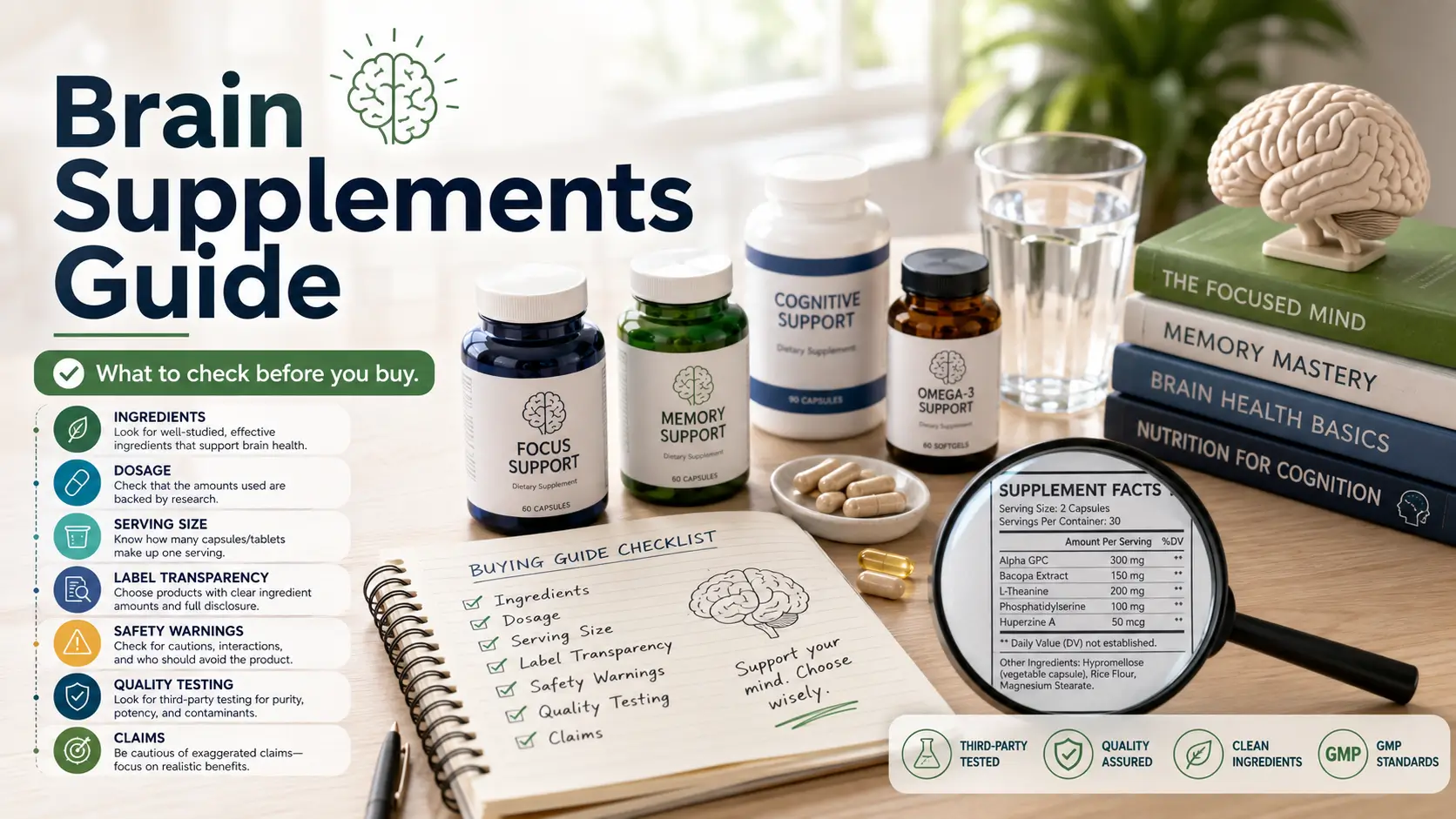 Brain Supplements for Memory and Focus: A Beginner's Buying Guide
A beginner-friendly buying guide for brain supplements, including ingredient disclosure, serving size, proprietary blends, safety warnings, interactions, claims to avoid, guarantees, pricing, subscription terms, reviews, and quality documentation.
Brain Supplements for Memory and Focus: A Beginner's Buying Guide
A beginner-friendly buying guide for brain supplements, including ingredient disclosure, serving size, proprietary blends, safety warnings, interactions, claims to avoid, guarantees, pricing, subscription terms, reviews, and quality documentation.
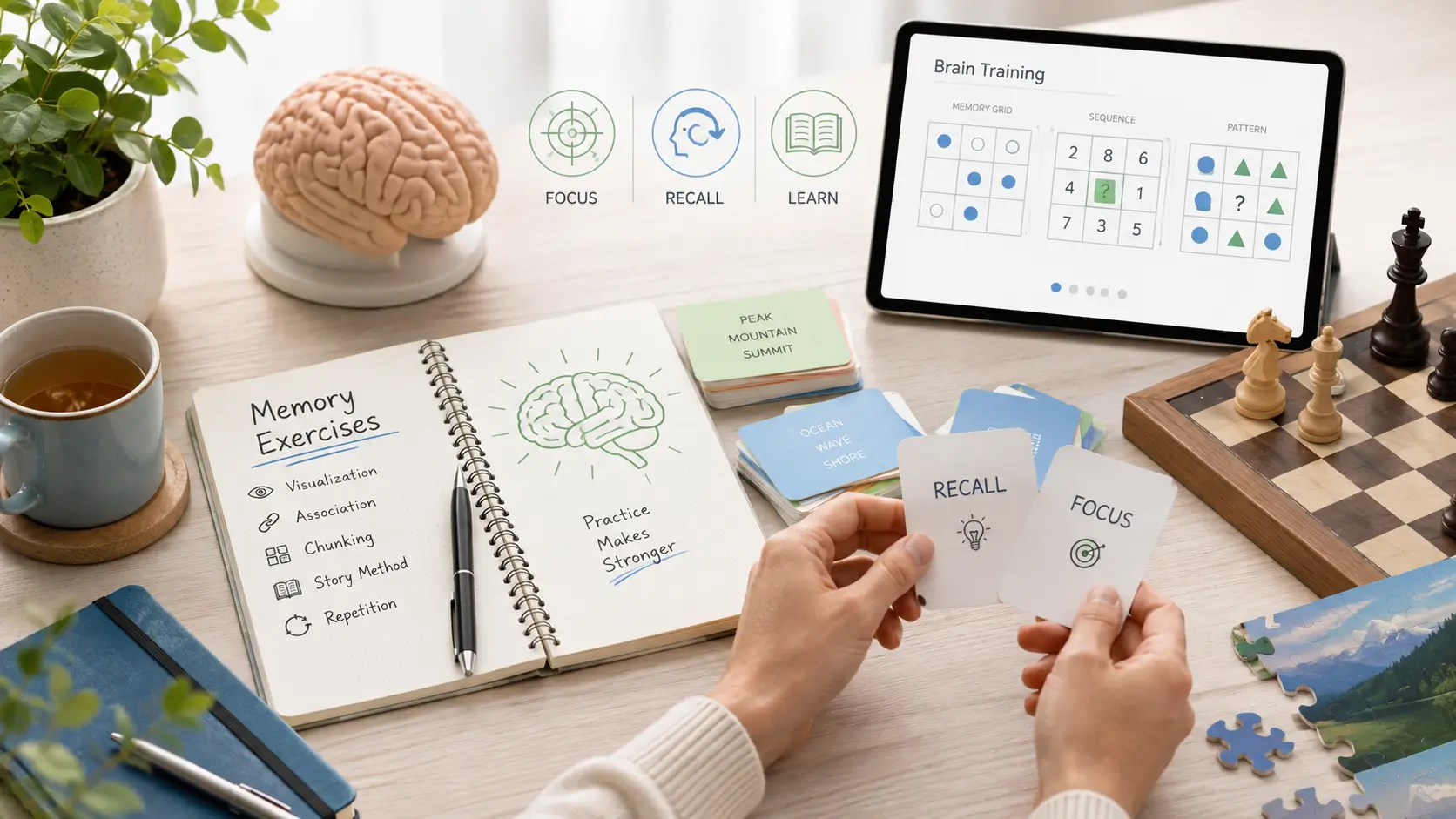 Brain Training and Memory Exercises: Which Techniques Are Worth Trying?
Compare memory exercises that are worth trying, including retrieval practice, spaced repetition, mnemonics, memory palace techniques, languages, music, puzzles, reading, mental arithmetic, strategy games, social activities, and unfamiliar skills.
Brain Training and Memory Exercises: Which Techniques Are Worth Trying?
Compare memory exercises that are worth trying, including retrieval practice, spaced repetition, mnemonics, memory palace techniques, languages, music, puzzles, reading, mental arithmetic, strategy games, social activities, and unfamiliar skills.
Looking at daily cognitive support?
Healthy routines such as sleep, movement, nutrition and stress management form the foundation of cognitive wellbeing. Adults interested in an additional daily supplement can learn more about the Congniflo formula, ingredients and current package options on the main website.
Responsible-use note
This article is for general education only and is not medical advice. Congniflo and other supplements are not intended to diagnose, treat, cure, or prevent any disease. Speak with a qualified healthcare professional before starting a supplement if you are pregnant, nursing, under 18, take medication, manage a health condition, or have persistent or concerning cognitive symptoms.