
This guide is educational and evidence-aware. It summarizes practical brain-health ideas in original wording, avoids medical-treatment claims, and highlights when professional evaluation is more appropriate than self-experimenting.
Start with sleep and attention
Improving memory naturally matters because everyday memory and focus depend on several ordinary systems working together: attention, energy, mood, sleep pressure, nutrition, hydration, and repetition. Memory starts with attention; if you are tired, distracted, or overloaded, the brain has less clean information to store. The useful takeaway is not that one habit can transform cognition on command, but that repeated choices can make it easier to notice information, organize it, and retrieve it later. Sleep routines support learning and recall, but they do not restore memory in a guaranteed or medical sense.
Protect the first hour after waking and the last hour before bed. Morning light, a predictable wake time, and fewer late-night screens can make the day feel less scattered. When sleep is consistently poor, memory techniques often feel weaker because the basic conditions for learning are already compromised.
Use movement to support brain health
Exercise matters because everyday memory and focus depend on several ordinary systems working together: attention, energy, mood, sleep pressure, nutrition, hydration, and repetition. Regular movement is associated with healthier mood, sleep, blood flow, and several aspects of cognitive performance. The useful takeaway is not that one habit can transform cognition on command, but that repeated choices can make it easier to notice information, organize it, and retrieve it later. Anyone who is inactive, pregnant, managing illness, or recovering from injury should start gradually and seek professional guidance when needed.
Walking is enough to begin. Add resistance training, mobility, or coordination work as your capacity grows. Short sessions repeated most days can be more realistic than an intense plan that disappears after one week.
Eat, drink, and plan for steady energy
Nutrition and hydration matters because everyday memory and focus depend on several ordinary systems working together: attention, energy, mood, sleep pressure, nutrition, hydration, and repetition. Dietary patterns built around vegetables, legumes, whole grains, fish, nuts, olive oil, and adequate protein are often discussed in brain-health research. The useful takeaway is not that one habit can transform cognition on command, but that repeated choices can make it easier to notice information, organize it, and retrieve it later. No food or drink should be presented as a cure for forgetfulness or a way to prevent neurological disease.
A simple plate method works well: protein, colorful plants, slow-digesting carbohydrates, and water. If you notice afternoon fog, look at missed meals, low fluid intake, or heavy lunches before assuming your memory itself is the problem.
Practice retrieval and spaced repetition
Repetition and spaced practice matters because everyday memory and focus depend on several ordinary systems working together: attention, energy, mood, sleep pressure, nutrition, hydration, and repetition. Memory strengthens when you bring information back to mind at increasing intervals instead of rereading it passively. The useful takeaway is not that one habit can transform cognition on command, but that repeated choices can make it easier to notice information, organize it, and retrieve it later. This approach improves learning systems; it does not guarantee perfect recall.
After reading or hearing something important, close the source and explain it in your own words. Review it later the same day, then tomorrow, then several days later. Flashcards, brief quizzes, and teaching someone else are practical ways to make retrieval active.
Organize your environment
Organization matters because everyday memory and focus depend on several ordinary systems working together: attention, energy, mood, sleep pressure, nutrition, hydration, and repetition. External systems protect working memory by giving information a reliable place to live. The useful takeaway is not that one habit can transform cognition on command, but that repeated choices can make it easier to notice information, organize it, and retrieve it later. The system should be simple enough that you use it on a busy day.
Keep keys, wallet, glasses, and medicines in consistent places. Put appointments in one calendar immediately. Use checklists for repeated routines. These tools are not shortcuts; they are part of an intelligent memory environment.
Manage stress and stay socially active
Stress management and social activity matters because everyday memory and focus depend on several ordinary systems working together: attention, energy, mood, sleep pressure, nutrition, hydration, and repetition. Stress, loneliness, and mental fatigue can make ordinary recall feel more difficult. The useful takeaway is not that one habit can transform cognition on command, but that repeated choices can make it easier to notice information, organize it, and retrieve it later. If low mood, anxiety, or memory trouble persists, a qualified healthcare professional can help sort out possible causes.
Conversation, volunteering, group classes, and shared walks ask the brain to follow stories, read cues, and remember details. They also make routines easier to keep because another person is connected to the habit.
Know when memory problems deserve evaluation
Natural memory support has limits. If memory changes are noticeable, progressive, sudden, or interfere with driving, finances, cooking, medication use, work, or familiar routes, speak with a qualified healthcare professional.
Some memory problems can be related to sleep disorders, medication effects, thyroid issues, depression, vitamin B12 deficiency, alcohol misuse, infection, or other medical concerns. Getting evaluated is not overreacting; it is how treatable contributors are identified.
Build a broader support routine
Adults who want an added routine step can learn about daily cognitive support while keeping expectations realistic. A supplement is not a substitute for sleep, movement, nutrition, repetition, and medical evaluation when symptoms are concerning.
The best natural memory plan is boring in the right way: repeatable, measurable, and grounded in daily behavior.
Key takeaways
- Memory and focus usually respond best to a layered routine, not a single dramatic tactic.
- Sleep, movement, nutrition, hydration, organization, and stress management remain the foundation.
- Supplements should be approached as optional support with realistic expectations and responsible label review.
- Persistent, progressive, sudden, or disruptive cognitive symptoms deserve qualified professional evaluation.
Related Reading
 Neuro Memory Explained: How the Brain Stores and Recalls Information
A plain-English explanation of how memory works, including encoding, consolidation, storage, retrieval, working memory, short-term memory, long-term memory, and why forgetting happens.
Neuro Memory Explained: How the Brain Stores and Recalls Information
A plain-English explanation of how memory works, including encoding, consolidation, storage, retrieval, working memory, short-term memory, long-term memory, and why forgetting happens.
 Can Exercise Improve Memory and Cognitive Function?
Review how aerobic activity, walking, strength training, coordination, mood, blood flow, and consistency may fit into a cognitive-health routine.
Can Exercise Improve Memory and Cognitive Function?
Review how aerobic activity, walking, strength training, coordination, mood, blood flow, and consistency may fit into a cognitive-health routine.
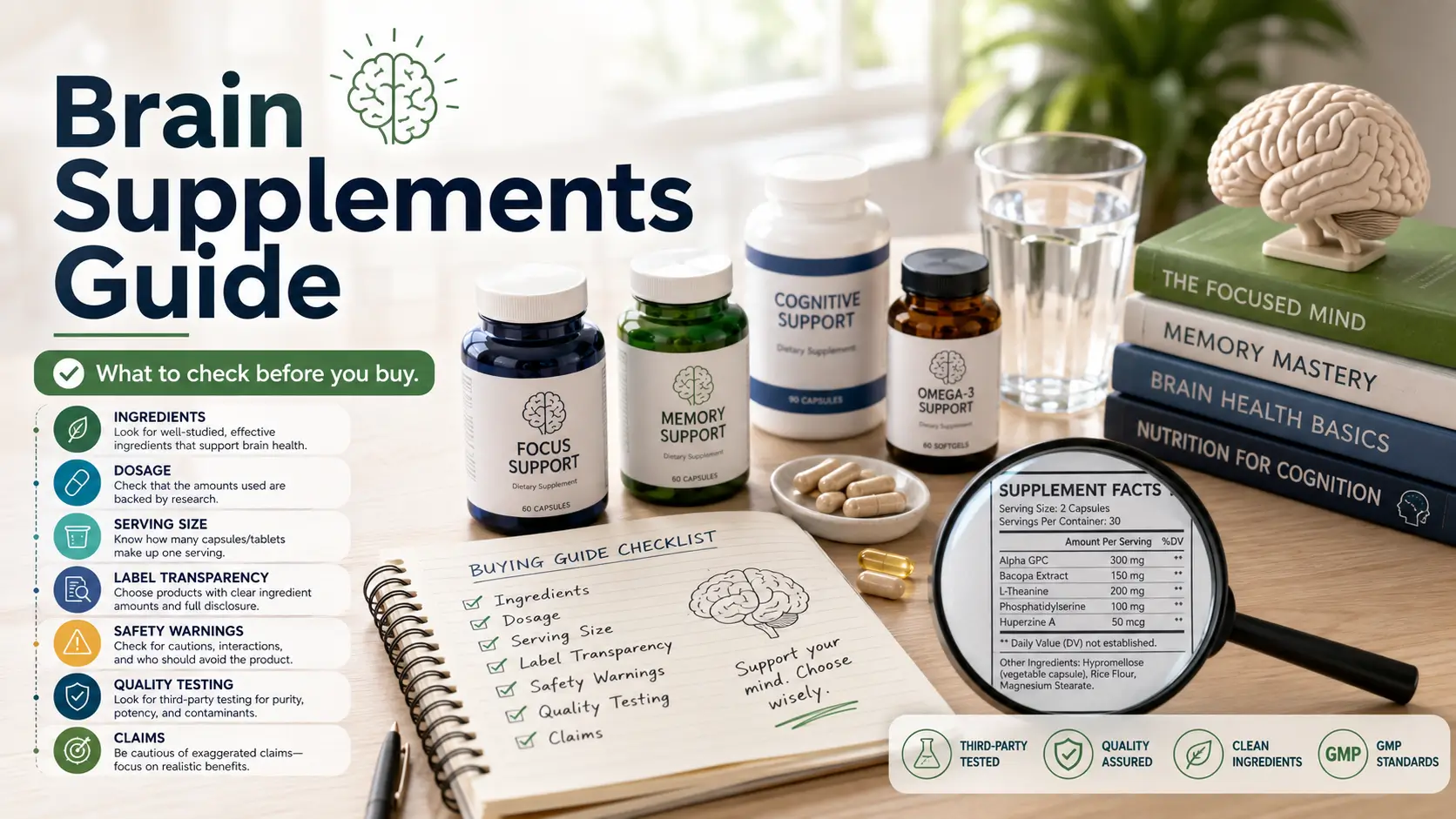 Brain Supplements for Memory and Focus: A Beginner's Buying Guide
A beginner-friendly buying guide for brain supplements, including ingredient disclosure, serving size, proprietary blends, safety warnings, interactions, claims to avoid, guarantees, pricing, subscription terms, reviews, and quality documentation.
Brain Supplements for Memory and Focus: A Beginner's Buying Guide
A beginner-friendly buying guide for brain supplements, including ingredient disclosure, serving size, proprietary blends, safety warnings, interactions, claims to avoid, guarantees, pricing, subscription terms, reviews, and quality documentation.
Looking at daily cognitive support?
Healthy routines such as sleep, movement, nutrition and stress management form the foundation of cognitive wellbeing. Adults interested in an additional daily supplement can learn more about the Congniflo formula, ingredients and current package options on the main website.
Responsible-use note
This article is for general education only and is not medical advice. Congniflo and other supplements are not intended to diagnose, treat, cure, or prevent any disease. Speak with a qualified healthcare professional before starting a supplement if you are pregnant, nursing, under 18, take medication, manage a health condition, or have persistent or concerning cognitive symptoms.