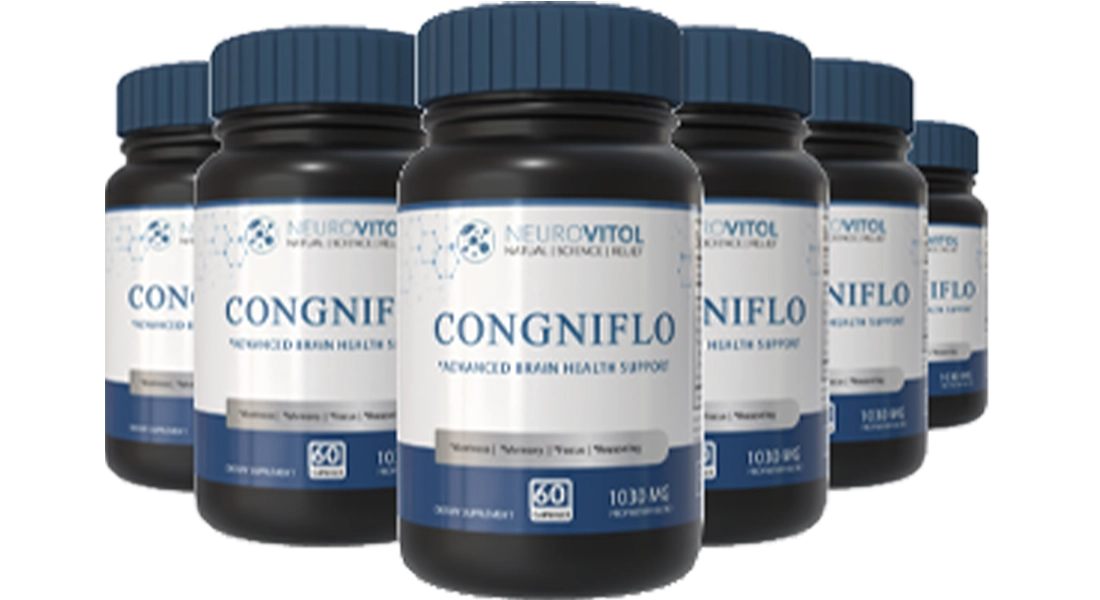
This guide is educational and evidence-aware. It summarizes practical brain-health ideas in original wording, avoids medical-treatment claims, and highlights when professional evaluation is more appropriate than self-experimenting.
Consistent sleep sets the stage
Consistent sleep matters because everyday memory and focus depend on several ordinary systems working together: attention, energy, mood, sleep pressure, nutrition, hydration, and repetition. CDC and NIH sleep resources describe sleep as important for attention, learning, memory, and next-day performance. The useful takeaway is not that one habit can transform cognition on command, but that repeated choices can make it easier to notice information, organize it, and retrieve it later. Needs vary, so the practical goal is a repeatable schedule and good sleep quality rather than a universal number.
A useful routine starts before bedtime. Dim bright light, keep heavy meals and alcohol away from the last part of the evening, and give your mind a predictable wind-down period. When sleep is irregular, even good memory strategies can feel harder because attention is already strained before the day begins.
Regular exercise supports the whole system
Regular exercise matters because everyday memory and focus depend on several ordinary systems working together: attention, energy, mood, sleep pressure, nutrition, hydration, and repetition. Research has associated regular physical activity with several aspects of cognitive health, including attention and executive function. The useful takeaway is not that one habit can transform cognition on command, but that repeated choices can make it easier to notice information, organize it, and retrieve it later. This is not a promise that exercise prevents disease; it is a practical way to support circulation, mood, sleep, and daily energy.
Walking, cycling, resistance training, dancing, and mobility work can all count when they are done consistently. Start with a level that fits your current ability, then build gradually. The best exercise for brain-support habits is usually the one you can keep doing without turning it into a short-lived project.
Hydration and balanced meals reduce avoidable friction
Hydration and balanced meals matters because everyday memory and focus depend on several ordinary systems working together: attention, energy, mood, sleep pressure, nutrition, hydration, and repetition. Your brain is metabolically active, and meals that include protein, fiber-rich carbohydrates, and healthy fats can help many adults feel steadier during demanding work. The useful takeaway is not that one habit can transform cognition on command, but that repeated choices can make it easier to notice information, organize it, and retrieve it later. Hydration is not a cognitive cure, but thirst, skipped meals, or heavy sugar swings can make focus feel more fragile.
Put water where you work, pair breakfast or lunch with protein, and avoid letting long gaps between meals create unnecessary fatigue. The goal is not a perfect diet. It is a reliable baseline that removes obvious obstacles to attention.
Learning, reading, and repetition train attention
Learning new skills and reading matters because everyday memory and focus depend on several ordinary systems working together: attention, energy, mood, sleep pressure, nutrition, hydration, and repetition. NIA guidance on cognitive health encourages mentally engaging activities such as learning, reading, and games as part of healthy routines. The useful takeaway is not that one habit can transform cognition on command, but that repeated choices can make it easier to notice information, organize it, and retrieve it later. Benefits are most realistic when the activity challenges you without constantly overwhelming you.
Choose something that asks for effort: a language lesson, music practice, a technical topic, a craft, or a book that stretches your attention. Memory improves when the brain has reasons to encode details, revisit them, and connect them to what you already know.
Stress, breaks, and social connection protect bandwidth
Stress management matters because everyday memory and focus depend on several ordinary systems working together: attention, energy, mood, sleep pressure, nutrition, hydration, and repetition. Stress can narrow attention and make recall feel unreliable, especially when you are switching tasks or carrying too many unfinished loops. The useful takeaway is not that one habit can transform cognition on command, but that repeated choices can make it easier to notice information, organize it, and retrieve it later. Persistent anxiety, depression, or major changes in memory deserve qualified professional support.
Purposeful breaks are not laziness. A walk, breathing drill, short stretch, or a few minutes away from screens can help reset attention before the next block of work. Social connection also matters because conversation asks you to listen, remember, respond, and emotionally regulate.
Limit excessive alcohol
Limiting excessive alcohol matters because everyday memory and focus depend on several ordinary systems working together: attention, energy, mood, sleep pressure, nutrition, hydration, and repetition. Public health sources link excessive alcohol use with learning and memory problems among other health risks. The useful takeaway is not that one habit can transform cognition on command, but that repeated choices can make it easier to notice information, organize it, and retrieve it later. If alcohol is hard to reduce, support from a qualified professional is more appropriate than relying on willpower alone.
A brain-support routine does not require an all-or-nothing identity. It does require honesty about patterns that repeatedly leave you foggy, tired, or less able to follow through the next day.
Create memory systems
Memory systems matters because everyday memory and focus depend on several ordinary systems working together: attention, energy, mood, sleep pressure, nutrition, hydration, and repetition. Calendars, notes, checklists, labels, and consistent storage places reduce the amount of information you must hold in working memory. The useful takeaway is not that one habit can transform cognition on command, but that repeated choices can make it easier to notice information, organize it, and retrieve it later. Using tools is not a sign of weak memory; it is how busy people protect attention for more important decisions.
Use one trusted capture system for tasks, one calendar for time commitments, and one home for everyday objects. The more predictable the system, the less often your brain has to solve the same small retrieval problem again.
Maintain a consistent routine
A consistent routine matters because everyday memory and focus depend on several ordinary systems working together: attention, energy, mood, sleep pressure, nutrition, hydration, and repetition. Routines reduce decision load and make healthy actions easier to repeat. The useful takeaway is not that one habit can transform cognition on command, but that repeated choices can make it easier to notice information, organize it, and retrieve it later. The routine should remain flexible enough to survive travel, family obligations, and imperfect days.
Start with a morning anchor, a work-start ritual, and an evening shutdown. When the same cues repeat, your brain spends less energy negotiating what comes next and more energy on the work itself.
Small habits can build a stronger routine
Small habits can build a stronger routine because they reduce friction. Adults who already prioritize sleep, movement, balanced meals, hydration, and stress management may also choose to learn about an optional daily cognitive-support supplement such as Congniflo as part of a broader routine.
A supplement should not be treated as a replacement for fundamentals, and it should never be framed as a treatment for memory disorders. Think of the strongest routine as layered: basic health behaviors first, practical memory systems second, and optional support only after the foundation is in place.
Key takeaways
- Memory and focus usually respond best to a layered routine, not a single dramatic tactic.
- Sleep, movement, nutrition, hydration, organization, and stress management remain the foundation.
- Supplements should be approached as optional support with realistic expectations and responsible label review.
- Persistent, progressive, sudden, or disruptive cognitive symptoms deserve qualified professional evaluation.
Related Reading
 How to Improve Memory Naturally: A Practical Guide to Brain Health
Learn how natural memory support works in real life: better sleep, regular movement, balanced nutrition, spaced practice, repetition, organization, and social activity.
How to Improve Memory Naturally: A Practical Guide to Brain Health
Learn how natural memory support works in real life: better sleep, regular movement, balanced nutrition, spaced practice, repetition, organization, and social activity.
 How Sleep Affects Memory, Learning and Mental Performance
Sleep affects attention, learning, memory consolidation, decision-making, and performance.
How Sleep Affects Memory, Learning and Mental Performance
Sleep affects attention, learning, memory consolidation, decision-making, and performance.
 Memory Changes With Age: What's Normal and What Supports Brain Health?
Understand the difference between occasional age-related forgetfulness and changes that should be discussed with a professional.
Memory Changes With Age: What's Normal and What Supports Brain Health?
Understand the difference between occasional age-related forgetfulness and changes that should be discussed with a professional.
Looking at daily cognitive support?
Healthy routines such as sleep, movement, nutrition and stress management form the foundation of cognitive wellbeing. Adults interested in an additional daily supplement can learn more about the Congniflo formula, ingredients and current package options on the main website.
Responsible-use note
This article is for general education only and is not medical advice. Congniflo and other supplements are not intended to diagnose, treat, cure, or prevent any disease. Speak with a qualified healthcare professional before starting a supplement if you are pregnant, nursing, under 18, take medication, manage a health condition, or have persistent or concerning cognitive symptoms.